

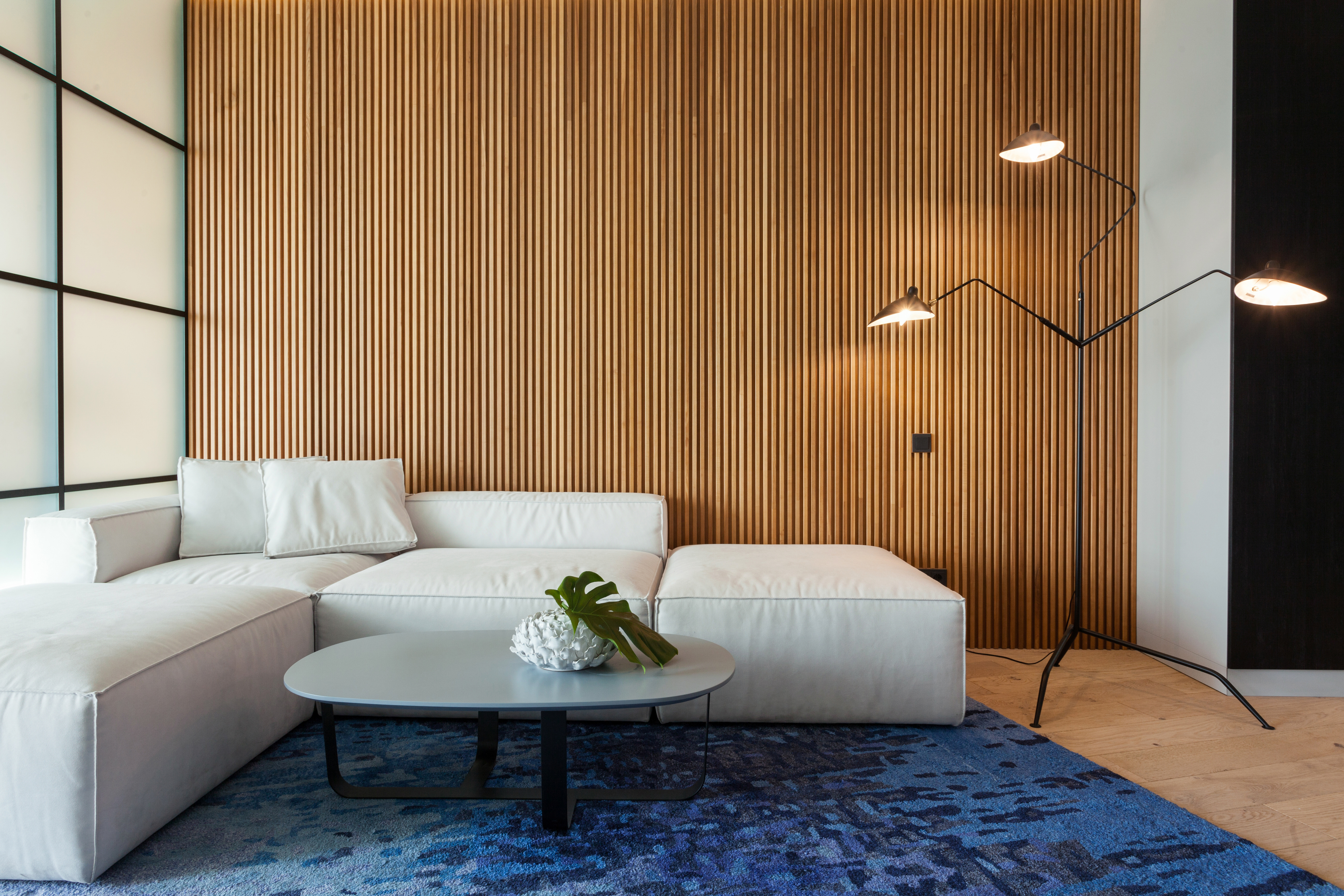
When people say a home feels expensive, they are usually responding to material behavior, not just price. The room feels balanced. The finishes do not fight each other. Light lands well on the floor. Nothing looks too shiny, too thin, or too perfectly staged.
That is where the difference between found luxury and quiet luxury starts.
Quiet luxury usually leans clean, tonal, restrained, and low contrast. Found luxury feels more collected. It uses texture, age, variation, and a sense that pieces were chosen over time. Both can look high end. Both can go wrong. Flooring is often the reason. Low-gloss, warm-surface finishes are already a visible theme in Gayle Floors’ own hardwood content, which gives this topic a natural bridge into existing pages.
What quiet luxury looks like on the floor
Quiet luxury flooring is controlled and calm.
In practical terms, that often means:
medium-width or wide planks with low visual noise
matte or low-sheen finishes
soft brown, beige, honey, taupe, or muted oak tones
minimal bevel drama
fewer abrupt color shifts from board to board
This style works best when the room already has strong architecture, good natural light, and clean cabinetry lines. It keeps the floor from overpowering the rest of the space.
Engineered hardwood is often a strong fit here because it gives you real wood texture and a more refined surface profile. If the homeowner wants easier maintenance in a busy household, a high-quality luxury vinyl product with realistic embossing and restrained pattern repeat can also support the look.
What found luxury looks like on the floor
Found luxury needs more character.
That does not mean distressed planks or fake rustic effects. It means the floor has enough texture and tonal depth to support a room that feels collected instead of packaged.
Typical flooring signals include:
visible grain without heavy gloss
warmer undertones
slightly more color movement
natural-looking knots or mineral streaking used in moderation
finishes that do not look plastic under direct light
This is where many cheaper floors fail. They imitate character by exaggerating it. Repeated print patterns, overly dark bevels, and high contrast planks can make the room feel generic instead of layered.
The technical choices that decide the mood
Sheen level
A floor that is too glossy reflects light sharply and makes even expensive furniture feel less grounded. Lower sheen absorbs light more softly and helps the room read as richer.
Color temperature
Cool grays can make a room feel thinner and more builder-grade unless the rest of the palette is carefully controlled. Warm neutrals, honeyed browns, and balanced natural oak tones tend to look more dimensional.
Plank scale
Very wide planks can look beautiful, but they need enough room width to make sense visually. In smaller spaces, oversized planks can make the floor feel forced.
Texture
Wire-brushed and lightly textured surfaces can hide minor dust and micro-wear while adding tactility. Over-texturing can look manufactured.
Transition quality
Cheap trim work destroys the expensive look fast. Flush reducers, clean base detail, and consistent thresholds matter more than many buyers expect.
Which flooring material works best for each look
For quiet luxury:
engineered hardwood in matte oak, white oak, or warm neutral tones
luxury vinyl with low sheen and subtle grain
cleaner, more uniform board selection
For found luxury:
engineered hardwood with visible grain and controlled tonal movement
premium hardwood visuals in luxury vinyl if moisture resistance is a major concern
warmer, more textural finishes that pair well with vintage or mixed-material interiors
The mistake that makes both styles feel generic
Trying to make the floor do all the work.
A home does not feel expensive because the floor is dramatic. It feels expensive because the floor supports everything else. If the lighting is harsh, the furniture scale is off, the rug is too small, or the undertones are clashing, even premium flooring will not fix the room.
The goal is not trend-chasing. It is material harmony.
If you are deciding between a cleaner quiet-luxury look and a more layered found-luxury feel, flooring is one of the first decisions to get right. The best choice depends on how your home is used, how much maintenance you want, and what kind of atmosphere you want the room to hold every day.
Schedule a consultation with us to compare hardwood and luxury vinyl options in person. We proudly serve Houston, Katy, Spring, Sugar Land and Cypress, TX. For help choosing a floor that feels high end without feeling generic, contact us to schedule your consultation.


