

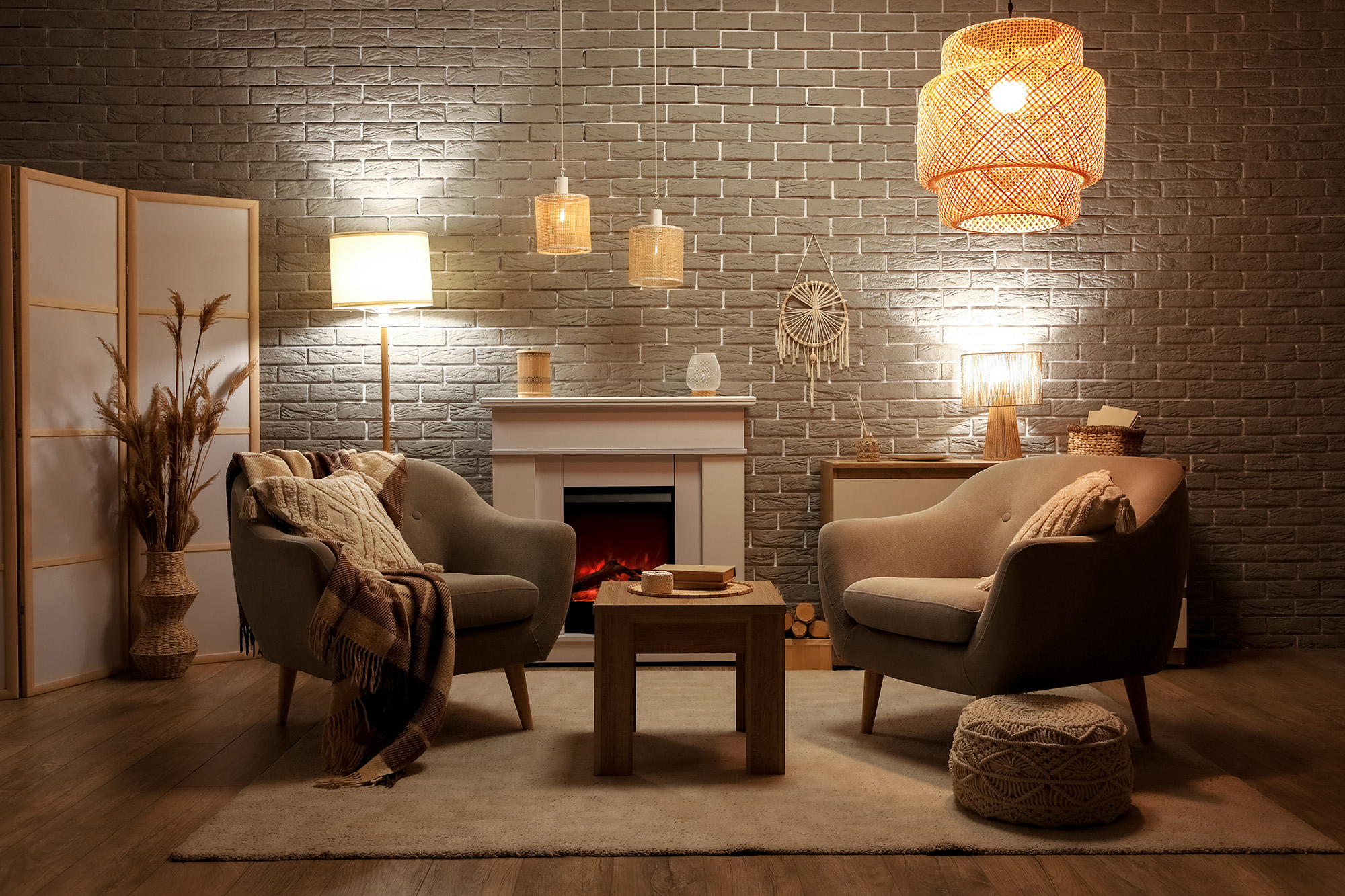
When you shop hardwood with Gayle Floors, we bring curated options into your home so you can judge grade where it matters: in your lighting, next to your cabinets, and under your actual wall color.
Hardwood Grade = Appearance Standards, Not “Better Wood”
People often assume Select is “stronger” than #1 Common. It isn’t. Most grading rules are primarily about visual yield: how many boards in a batch meet certain appearance limits. The same species, thickness, and milling quality can exist across grades.
Grades help predict:
Amount of knots and knot size
Mineral streaks and sapwood
Color variation (within limits)
Filled imperfections (in some products)
Overall “uniform vs lived-in” look
Select Grade: The Clean, Consistent, “Magazine Floor”
What you’re buying: a more uniform visual field. Fewer visible knots, less dramatic character, tighter limits on streaking and color variation.
Typical traits:
Minimal knots (small and limited)
More consistent color tone across boards
Fewer mineral streaks and “wild” grain patterns
Higher percentage of long, clear face cuts (depends on species and mill)
Best for:
Modern, clean interiors (especially matte finishes)
Open concept spaces where uniformity feels calmer
Homes with bold cabinetry or dramatic stone where you want the floor to “support,” not compete
Houston reality check: Select can look incredible, but it can also make dust and micro-scratches more noticeable if you choose a dark stain with higher sheen. Choose sheen and undertone wisely.
#1 Common: The “Classic Hardwood” with Natural Variation
What you’re buying: moderate character and a more natural, traditional hardwood look without going full rustic.
Typical traits:
Knots allowed (more frequent and larger than Select)
Visible mineral streaks possible
Broader color variation (still controlled)
More “movement” in the grain pattern
Best for:
Family homes where you don’t want to panic over every tiny mark
Transitional interiors (not too sterile, not too rustic)
Medium tones that blend variation nicely
Hot take: #1 Common often ages better in real life because it doesn’t demand perfection. A bit of character in the wood makes everyday wear feel like part of the story instead of a flaw.
Character Grade: The Intentional “Texture” Trend (and It’s Not for Everyone)
What you’re buying: a floor with personality: knots, streaks, sapwood, and strong variation. In many product lines, “Character” is a curated version of rustic visuals without the chaos of lower utility grades.
Typical traits:
Frequent knots, sometimes filled knots
More mineral streaking and color contrast
Sapwood presence may be more noticeable
More dramatic grain and board-to-board variation
Best for:
Warm, layered design styles (modern farmhouse, organic modern, rustic-luxe)
Homes where you want the floor to be a feature
Lighter stains that highlight natural variation without looking “busy”
Where Character goes wrong:
If you’re sensitive to visual clutter, heavy character can feel noisy, especially in large spaces.
If you’re trying to match existing floors, Character can be the hardest to blend.
Grade vs Cut vs Finish: The Confusing Trio
A lot of “what you see” is not just grade.
Cut (plain-sawn vs rift/quarter-sawn): changes grain pattern dramatically. Quarter-sawn can look calmer and more linear.
Stain and finish: can magnify contrast (dark stain often makes character pop more).
Board width: wider planks make knots/streaks feel bigger and more intentional.
If you want “clean but not sterile,” the winner is often: #1 Common + a lighter/mid-tone stain + matte finish.
What to Ask During an In-Home Hardwood Consultation
To stay technical and avoid surprises:
“Is this grade defined by the mill or is it your product line naming?”
“How much natural color variation should I expect per carton?”
“Are knots filled? If so, with what, and how does it age?”
“Can you show me multiple boxes worth of variation, not one hero sample?”
“What’s the recommended humidity range for this product in Houston-area homes?”
Conclusion + CTA
Hardwood grade is a design decision disguised as a technical label. Select gives you a calm, consistent canvas. #1 Common balances character with control. Character grade leans into organic variation and hides real-life wear beautifully, but it can feel busy if your home already has a lot going on.
If you want a hardwood grade that matches your lifestyle, lighting, and design goals, schedule an in-home consultation with Gayle Floors. We’ll bring hardwood options to you and help you choose confidently across Houston, Katy, Spring, Sugar Land and Cypress, TX. Ready to compare grades in your own rooms? Contact us today.


